QR Codes for Finance Companies: Secure Payments, KYC & Customer Onboarding
QR codes for finance companies are used to enable secure payments, digital onboarding, KYC verification, account access, and document sharing. Financial institutions use dynamic QR codes to reduce manual entry, improve compliance, and offer faster, mobile-first customer experiences.
- Enable instant payments and bill settlement
- Streamline KYC, onboarding, and document access
- Improve security with dynamic, trackable QR codes

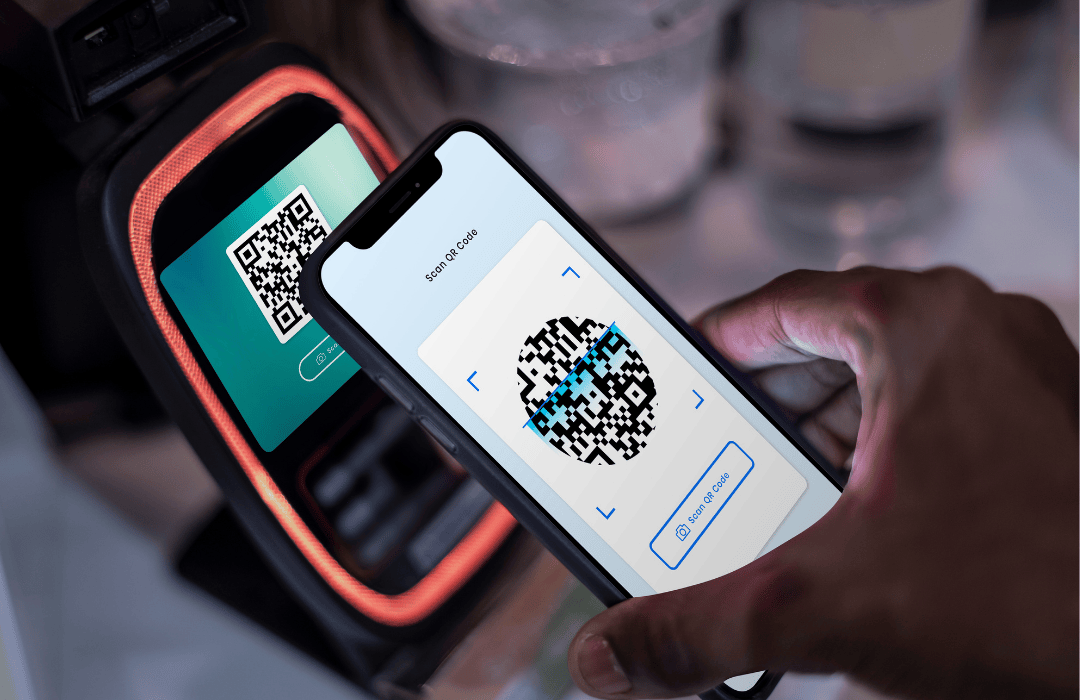
Today, in the fast-paced digital world, the finance sector has been constantly experimenting with creative solutions that would enhance the customer experience, security, and transaction processes with innovation. QR codes are one such innovation and one that has created a paradigm shift for banks, investment firms, payment systems, and others in the financial sector.
As mobile and digital payments gain momentum, the quest for solutions that are secure, easy to use, and customizable is on the rise in finance. QR codes hence represent an innovative way for financial companies to interface with customers in payment processing and personalization.
At IMQRScan, we understand that QR codes can change the face of the financial sector. In this article, we will study how these codes improve customer experience, provide security, and help in business growth for financial institutions.
What Are QR Codes and How Do They Work in Finance?
A QR, or Quick Response Code, is a two-dimensional bar code that can store data such as website links, contact information, or transaction details. QR codes add an extra step to this technology by allowing businesses, especially within the financial market, to add colors, logos, and branding elements to their codes.
In finance, the custom QR code translates to other application needs such as payment requests, account details, or quick actions concerning financial documents. When a customer scans the custom QR code, they are directed to the intended digital experience, whether it's payment, review of their account, or even financial reporting.
QR codes pave the way for seamless customer-human interaction with financial services quick, smooth, and secure ones. Manual data entry is eliminated, errors are reduced, and fraud risks are minimized.
How Finance Companies Use QR Codes
| Use Case | QR Code Type | Purpose |
|---|---|---|
| Payments & Invoices | Dynamic Payment QR | Instant bill payment via mobile banking apps |
| KYC & Onboarding | Secure URL QR | Upload documents and verify identity |
| Account Statements | File QR Code | Access bank statements and reports |
| Customer Support | Form / WhatsApp QR | Direct customers to help desks or ticket forms |
Common Finance Use Cases
Finance teams at banks, fintech startups, lending platforms, and payment service providers use QR codes for invoice payments, digital onboarding, customer support access, and secure document delivery.
QR codes can also make it easier for finance companies to connect customers with helpful resources, including information about debt relief options for those experiencing financial hardship.
Advantages of QR Codes for Financial Institutions
The finance industry has quickly been recognizing the broad potential held by QR codes. Those codes are indeed accompanied by several benefits, which would add tremendous value to financial businesses.
The following are some of them:
- Enhanced Customer Engagement: QR codes can help build the bridge between the bank and its customers. It embodies everything that invokes branding, its color and logo enhancement toppings overall customer experience. Be it a personalized code attached to a loan application or a secure path to an investment firm's access statement, these codes add an element of engagement without compromising professionalism and sparkle.
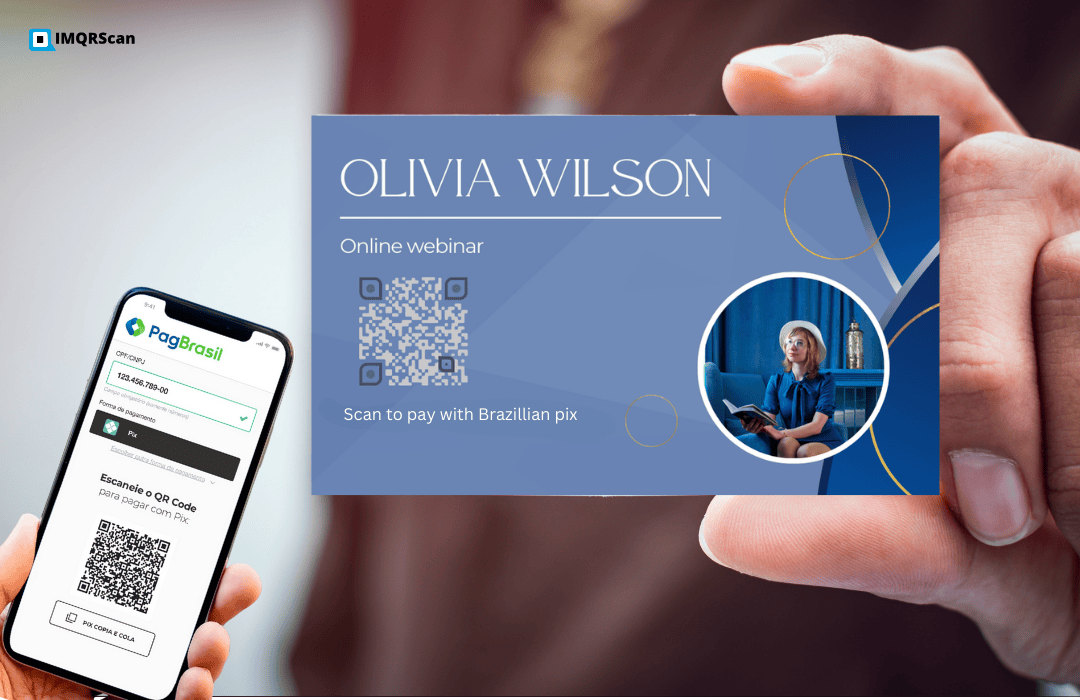
- Simplified Payment Solutions: One of the main areas wherein the QR code excels is payments. With the increasing trend towards mobile payments, customers nowadays rely on their mobile phones for all transactions. Financial institutions can place a QR code on any invoice, credit card statement, or promotional material to trigger instant payment once scanned. This dramatically reduces friction arising from topping up.
- Increased Security: QR codes are designed to ensure that transactions are safe and secure. These would be coupled with payment gateways or encrypted financial documents, thereby minimizing unauthorized access and its tamper. QR codes could even go dynamic, meaning they frequently change and increase security to thwart fraudulent attacks.
- A Marketing Cost-Efficient Tool: QR codes can also be really good marketing instruments for financial institutions. They become part of marketing materials, such as brochures or business cards, and even advertisements, to cause desirable actions to take place. For example, to cause users to go to a specific website, set up an account, or download an app. All these provide a cost-effective way of increasing customer engagement and brand awareness about financial institutions with customers.
Built for Financial Workflows
IMQRScan is designed to support finance-related use cases such as payments, onboarding, and document access using dynamic QR codes. Final compliance and encryption depend on the systems and payment providers connected to the QR destination.
The Role of QR Codes in Compliance and Regulation
Within the tightly regulated financial sector, compliance with industry standards is non-negotiable. In this regard, QR codes can help financial institutions meet regulatory requirements while providing a seamless and secure experience for customers.
- Secure Digital Signature: In high-stake financial transactions, customized QR codes are used to ensure secure digital signatures. This compliance feature identifies the customer, authenticates the transaction, and thus prevents fraud or identity theft.
- Automated Compliance Check: Customized QR codes can also be integrated with the compliance systems of financial institutions so that automatic compliance checks can be done with regulations such as KYC (Know Your Customer) and AML (Anti-Money Laundering). If the QR code is linked with compliance systems, transactions can be checked for compliance with laws in real-time so that institutions can avoid potential legal and regulatory violations.
Curious About How to QR Codes
for Finance..!!
Here's What You Need to Know
How do QR codes increase customer engagement in finance?
QR codes provide a simple customer experience since services such as payment portals or loan applications can be easily accessed while tracking user interaction and giving beneficial data.
Are QR codes safe for finance companies?
When implemented correctly, QR codes help reduce manual data entry and direct users to secure, verified digital channels such as payment gateways or onboarding forms.
How does a QR code add value in marketing in finance?
Financial marketing material can have QR codes leading to a personalized landing page funneling traffic to convert leads and also measure campaign performance in real-time.
How do finance companies use QR codes for KYC?
QR codes can link customers to secure onboarding pages where identity documents are uploaded and verified digitally.
Can QR codes be integrated into a CRM system?
Yes! QR codes can be easily integrated with CRM systems for automatic data capture and lead management from every scan.
Can QR codes be used for bank payments?
Yes. Finance companies commonly use payment QR codes for invoices, bill payments, and mobile banking transactions.
Do QR codes meet the compliance requirements of finance?
Indeed, QR codes follow compliance regulations and ensure that the processes are secured while also meeting the industrial standards when it comes to data protection.
What are the advantages of using QR codes in finance as opposed to traditional ones?
These things cut down on paperwork, streamline things, keep the customer hooked, and most importantly, deliver insights as traditional methods fail.