QR Code Marketing: Strategy, Use Cases & Best Practices
QR code marketing is the use of QR codes in marketing campaigns to turn offline interactions into instant digital actions, such as opening menus, claiming offers, joining loyalty programs, or completing purchases. Effective QR code marketing focuses on clear value, fast mobile experiences, and measurable results. When brands use QR codes for marketing with a strong strategy and clear call-to-action, they can drive engagement, repeat visits, and conversions without URLs or app downloads.
Create QR code marketing campaignsTable of Contents
- What Is QR Code Marketing?
- Why QR Code Marketing Works
- Successful QR Code Campaigns
- Retail QR Code Campaigns
- QR Code Loyalty Program Examples
- Hyperlocal Marketing Case Studies
- QR Code Marketing Examples
- How QR Codes Drive Engagement
- Common QR Code Mistakes
- Measuring QR Code Marketing Success
- Future Trends
- Key Points From Real-World Case Studies


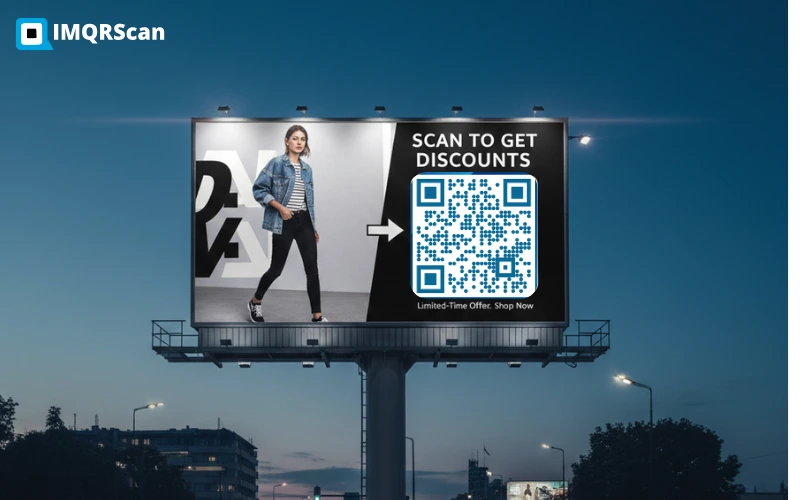
"Across industries, the best-performing QR code campaigns are not 'clever QR codes.' They are clear value + fast mobile experience + strong call-to-action. When those three things are right, QR codes can generate leads, repeat visits, and measurable conversions, without asking users to type a URL or download an app."
TL;DR
- QR codes work best when they solve a right-now customer need
- Fast, mobile-first landing pages outperform clever designs
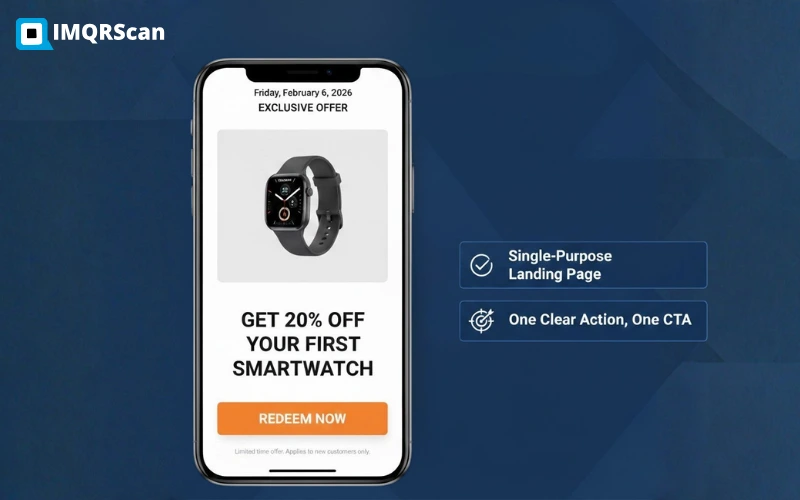
- Clear CTAs increase QR code engagement more than visuals
- Loyalty and reward-based QR codes drive repeat scans
- Trackable QR codes outperform static "print and forget" codes
Many of the real-world campaigns discussed above rely on trackable and dynamic QR codes so businesses can measure scans, locations, and conversions over time. Platforms like IMQRScan are commonly used to manage these campaigns, allowing brands to update destinations and analyze performance without changing printed QR codes.
What Is QR Code Marketing?
QR Code Marketing Definitions
- QR code marketing is the use of QR codes to convert offline moments into instant, trackable digital actions.
- A QR code campaign is a measurable marketing flow where scans lead to a specific action such as an offer, menu, loyalty signup, or booking.
- Offline-to-online QR marketing is the strategy of using physical touchpoints to drive users into optimized digital experiences.
- QR code marketing works best when the scan leads to a fast, mobile-friendly page with a clear value and call-to-action.
Why QR Code Marketing Works
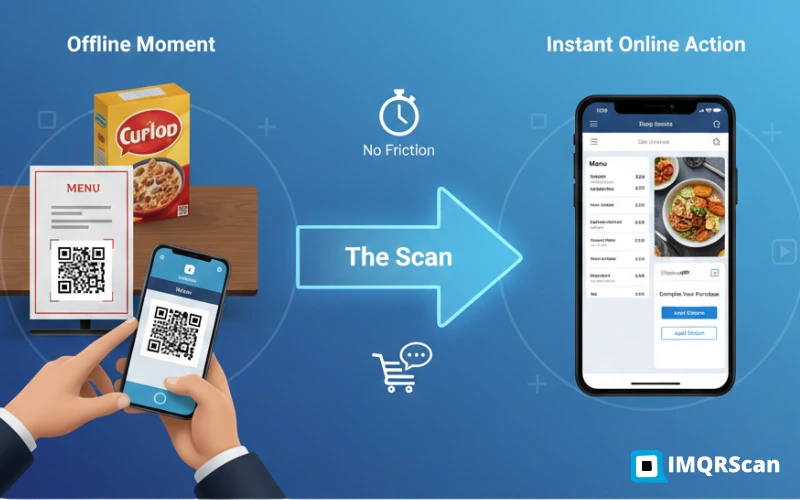
"QR code marketing works for one simple reason: it turns an offline moment into an instant online action. A person sees something in the real world (a product, poster, menu, flyer), scans once, and lands exactly where you want them, offer, menu, form, video, or checkout."
The technology's effectiveness stems from its universal accessibility, smartphone users have scanned a QR code, making it one of the most widely adopted marketing tools across demographics. This broad reach translates into measurable business impact, with companies reporting everything from 900+ email signups from single campaigns to double-digit growth metrics.
QR codes remove friction. Instead of "search us later," the user gets instant access now.
This is why QR codes in marketing campaigns consistently outperform printed URLs and generic offline promotions.
Why brands use QR code marketing:
- Instant access to a landing page, offer, menu, or form
- Higher engagement than printed URLs (no typing, no guessing)
- Trackable behavior (scans by location, time, device)
- Easy offline integration (posters, packaging, counters, receipts, events)
What separates winners from failed QR campaigns is rarely the QR code design. It's usually the destination: fast-loading, mobile-friendly, and worth scanning.
What Makes a QR Code Campaign Successful?
A successful QR code campaign is one that removes friction and delivers immediate value at the moment of intent.
This means:
- The QR code is easy to scan
- The landing page loads fast
- The action is obvious (offer, menu, loyalty, info)
- Performance can be measured and optimized
Campaigns that miss any of these elements often fail, not because QR codes don't work, but because the experience after the scan is weak.
Offline to Online QR Marketing
Offline-to-online QR marketing is the use of QR codes to connect physical touchpoints (posters, packaging, stores, events) with digital experiences that can be tracked and optimized.
This approach allows brands to:
- Measure real-world engagement
- Track scan location, time, and device
- Improve campaigns without reprinting QR codes
Looking for ad-specific tactics?
Read our dedicated guide on QR Code Advertising: Best Practices, Examples & How to Run QR Code Ads.
Common QR Code Marketing Campaign Results
Here's the real-world pattern: QR codes perform best when they solve a customer's need at the moment, information, savings, speed, convenience, loyalty, or entertainment.
| Industry | QR Code Use Case | Typical Outcome |
|---|---|---|
| Retail | Product info, reviews, coupons, loyalty | Higher engagement + more conversion moments |
| Food & Beverage | Menu, ordering, loyalty, limited offers | Faster service + more repeat visits |
| Local Business | Hyperlocal offers + local landing pages | Offline-to-online traffic + better targeting |
These results reflect how QR codes are used in marketing across industries when campaigns prioritize speed, relevance, and ease of action. Get more ecxiting ideas of QR Code Uses.
How QR Codes Are Used in Marketing Campaigns
These examples show how QR codes and marketing work together across industries to reduce friction and increase conversion opportunities.
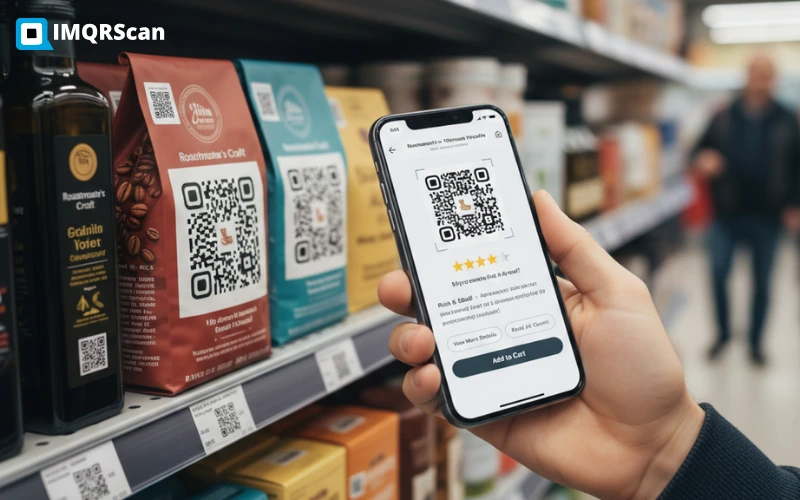
- Retail product QR codes: Used on shelves, tags, or packaging to share product details and reviews, often leading to higher QR Code engagement and assisted purchases.
- Menu and loyalty QR codes: Common in restaurants and cafés, helping speed up service while encouraging repeat visits through rewards and offers.
- Hyperlocal QR campaigns: Used on flyers, storefronts, or local events to drive offline-to-online traffic and capture location-specific leads.
- Interactive QR experiences: Often used on packaging or promotional materials to increase engagement time and brand recall.
QR code success stories show how brands turn simple scans into real results by solving immediate customer needs with fast, trackable digital experiences.
Successful QR Code Campaigns Retail That Boost Sales
Retail is ideal for QR codes because customers already have purchase intent, they're browsing, comparing, and deciding.
Retail QR code tactics that work best:
- Product info QR codes (size guides, demos, styling tips)
- Review & feedback QR codes (Google reviews QR Code, quick surveys)
- Discount & coupon QR codes (limited-time offers)
- Loyalty signup QR codes (fast, no app required)
Best QR code placements in retail:
- Shelf talkers near high-consideration products
- Product tags at decision points
- Checkout counters for repeat visits
These QR code examples show the use of QR codes in Retail campaigns to reduce friction at the moment of purchase and increase assisted conversions.
QR Code Loyalty Program Examples in Food & Beverage Marketing
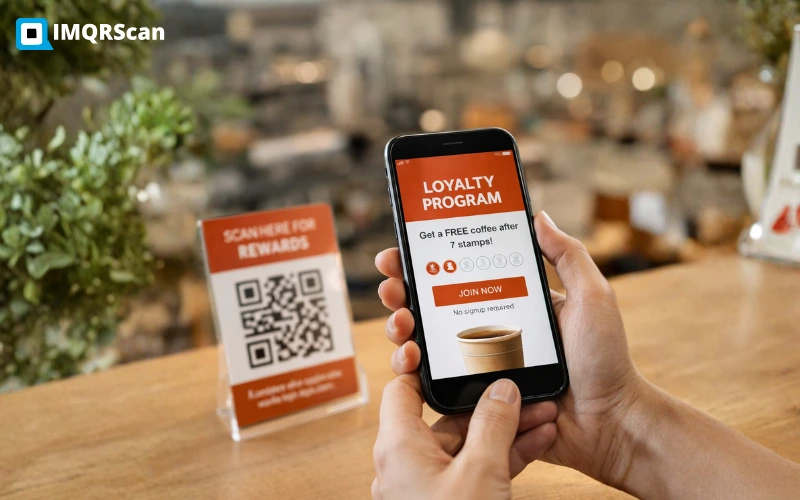
At IMQRScan, we see food and beverage businesses drive repeat visits when QR codes reduce friction and deliver instant value. The most effective QR Code marketing campaigns combine mobile-friendly QR code on menus, one-tap loyalty enrollment, limited-time offers, and fast feedback flows, turning a single scan into a repeat-visit loop.
High-performing food & beverage QR uses:
- QR menus (mobile-first, instant access)
- Loyalty QR codes (scan → join → earn rewards)
- Limited-time offers (scan → coupon → redeem)
- Feedback QR codes (quick ratings and reviews)
Across IMQRScan campaigns, Restaurants QR codes linked to loyalty or rewards consistently generate higher repeat scans than menu-only QR codes, showing that incentives, not access alone, drive return visits.
Across multiple QR code campaign results, loyalty-based scans consistently outperform menu-only QR codes, confirming that incentives drive repeat behavior.
Hyperlocal Marketing Case Studies Using QR Codes
At IMQRScan, we see hyperlocal QR code campaigns outperform broad advertising because they feel personal and location-specific. When a QR code speaks directly to a street, a neighborhood, or a nearby event, engagement jumps.
How high-performing hyperlocal QR campaigns work:
- QR codes placed at local touchpoints (shops, flyers, community boards)
- Location-specific landing pages or offers (not generic homepages)
- Scan tracking by area and time to see what actually converts
- Continuous optimization (rotate offers, update CTAs, test placements)
Proven local use cases:
- Barber shops: scan → today's offer → instant booking
- Gyms & studios: scan → free trial → WhatsApp inquiry
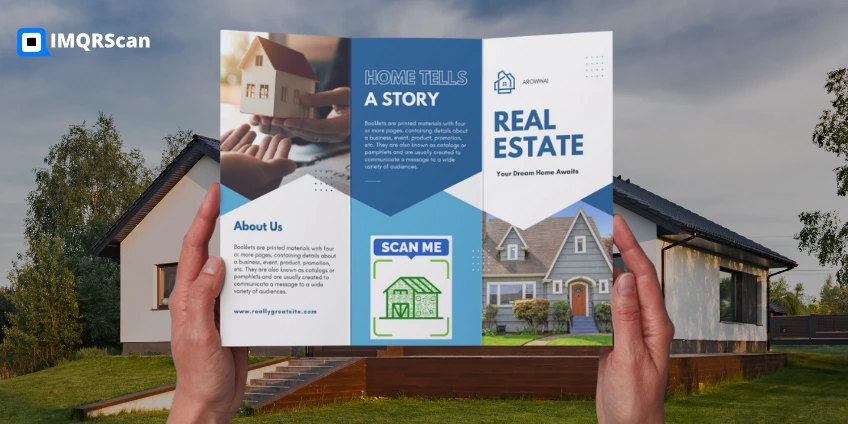
- Real estate: scan → property tour → neighborhood details
Local businesses using location-specific QR landing pages consistently see stronger engagement than those linking to general websites, because relevance, not reach, drives action.
These real-world hyperlocal marketing case studies show how offline-to-online QR experiences outperform broad digital ads for local businesses.
QR Code Marketing Examples That Drive Engagement
At IMQRScan, we see one clear pattern: people scan more when the experience feels unexpected but valuable. Creative QR code marketing works best when the reward is obvious and instant. These QR code marketing examples focus on clarity and value, not gimmicks.
High-engagement creative QR ideas:
- QR codes on packaging → "how it's made" or behind-the-scenes videos
- QR scavenger hunts → scan multiple locations → unlock a reward
- Exclusive content QR codes → guides, downloads, member-only access
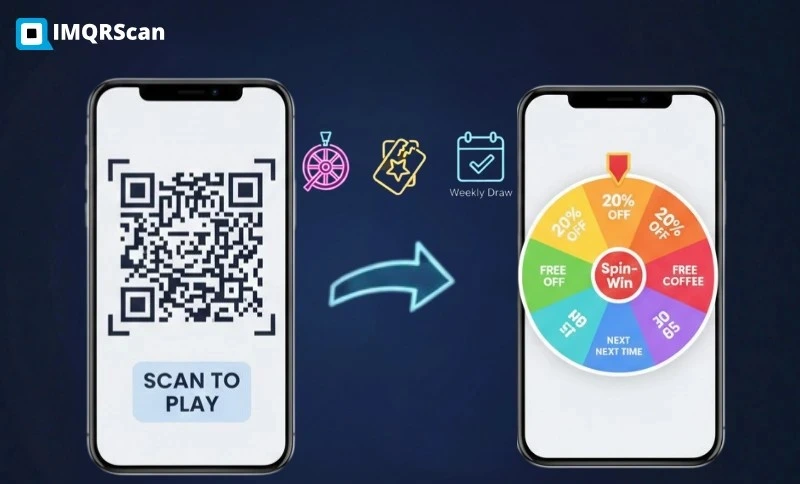
- Gamified QR campaigns → spin-to-win, scratch cards, weekly draws
QR CTAs that actually get scans:
- "Scan for a surprise"
- "Scan to unlock today's deal"
- "Scan to claim your reward"
- "Scan to see what's inside"
The most successful QR campaigns don't feel like ads, they feel like access. When the outcome is clear, scan rates increase naturally.
These QR code examples succeed because the value is obvious, supported by catchy QR code phrases that tell users exactly why to scan.
How QR Codes Drive Engagement, Loyalty, and Brand Growth
QR codes aren't just traffic tools, they're behavior drivers when used strategically.
With trackable QR codes, brands can:
- Increase engagement through repeated, frictionless touchpoints
- Drive repeat purchases using loyalty flows and timed offers
- Strengthen brand recall with consistent scan experiences
- Connect offline scans to CRM, loyalty, and retargeting systems
What we consistently see at IMQRScan is that brands grow faster when QR codes are treated as measurable campaigns, not one-time print assets. Tracking scans, updating destinations, and optimizing CTAs turns QR codes into long-term growth channels.
Over time, consistent QR usage leads to measurable QR code brand increase, stronger loyalty signals, and higher lifetime value.
What Most Brands Get Wrong With QR Code Campaigns
QR code campaigns fail when they add friction instead of removing it. Most QR code failures are preventable.
Common QR code marketing mistakes:
- Linking to pages that aren't mobile-friendly
- No clear CTA near the QR code (people don't guess)
- Broken links or expired offers
- Poor placement (too small, too far, glossy surfaces)
- Not tracking scan performance at all
If the landing page is slow or unclear, the scan is wasted. Speed and clarity matter more than design.
Measuring QR Code Marketing Success
The best QR code marketing campaigns are treated like ongoing experiments, not one-time prints. If you don't measure QR code performance, you can't improve it.
Key QR code marketing metrics to track:
- Total scans
- Unique scans (real people, not repeats)
- Scan location and device
- Landing page conversion rate
- Engagement time (bounce vs. action)
- Revenue per scan or lead value
- Repeat scans (strong loyalty signal)
This is why dynamic, trackable QR codes consistently outperform static "print and forget" codes, because brands can test, optimize, and scale what works.
Future Trends in QR Code Marketing
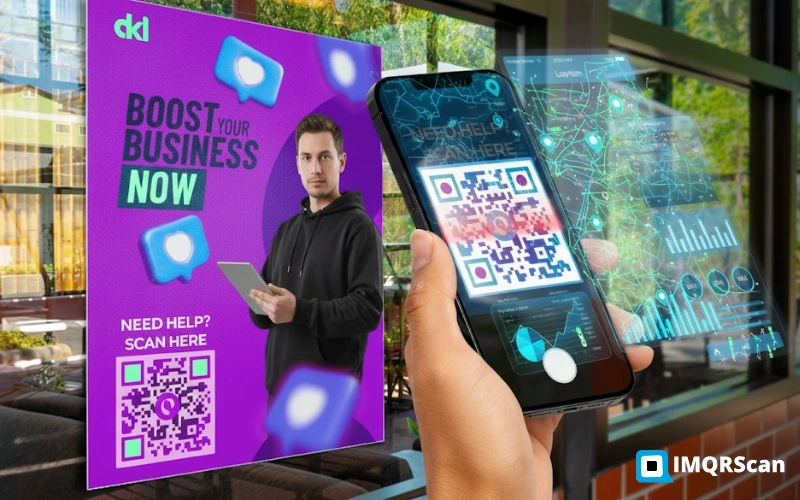
Future QR code marketing will be driven by personalization, automation, and measurable optimization. Many marketing materials use static QR codes when the destination does not change. You can learn the basics in our article explaining what a static QR code is. However, QR code marketing is moving from static QR Code links to smart URL QR Codes, adaptive experiences.
What's coming next:
- Personalized QR destinations based on location, device, and time
- Deeper CRM and loyalty system integration
- AI-driven landing page testing and CTA optimization
- Smarter hyperlocal tracking for offline campaigns
At IMQRScan, we see the next wave treating QR codes as mini conversion funnels, measured, optimized, and improved over time, not printed once and forgotten.
Key Points From Real-World QR Code Case Studies
Across real campaigns, the pattern is consistent:
- QR codes perform best when they solve an immediate need
- Clear value + fast mobile pages drive higher scans and conversions
- Strategic placement matters more than design creativity
- Tracking and optimization separate winners from one-off tests
Real world QR code marketing success shows that QR codes boost sales, engagement, and loyalty when they solve immediate customer needs. The most successful QR code campaigns combine clear value, fast mobile pages, strategic placement, and continuous optimization. When brands use QR codes in campaigns as measurable growth tools, not gimmicks, they become one of the most reliable offline-to-online marketing channels available.
Frequently Asked Questions
About QR Code Marketing
Here's What You Need to Know