25 Permanent QR Code Examples (Real-World Use Cases)
A permanent QR code is a static QR code that is printed once and works forever. The data is encoded directly into the pattern, so the code never expires, requires no subscription, and works offline for content types like Wi-Fi, vCard, and plain text. Below are 25 real-world examples of how businesses, institutions, and individuals use permanent QR codes today.
In simple words: these are the places you've almost certainly scanned a permanent QR code and didn't know it.
Create a Permanent QR Code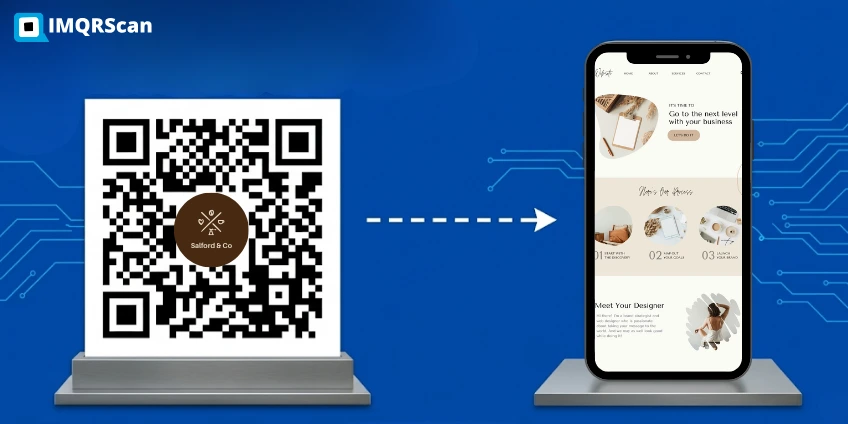
Quick Answer: The 5 Most Common Permanent QR Code Examples
The most common permanent QR code examples are (1) Wi-Fi access signs in cafes and hotels, (2) business cards with vCard contact data, (3) product packaging linking to user manuals, (4) museum exhibit plaques, and (5) memorial headstones with tribute pages. All five use static QR codes that encode data directly into the pattern so the code never expires and works without a subscription.
What Makes a QR Code Permanent?
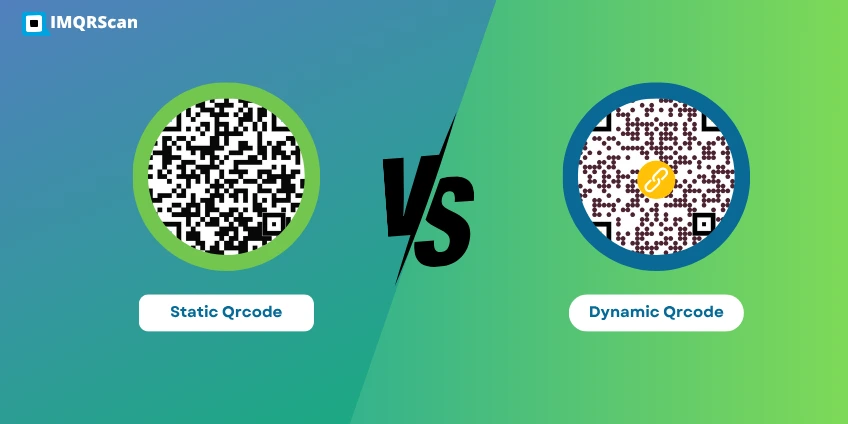
A QR code is called permanent when it is a static QR code — one where the destination data is written directly into the black-and-white pattern instead of passing through a redirect server.
Because there is no server in the middle:
- The QR pattern itself never expires
- No subscription is required to keep it active
- Wi-Fi, vCard, and text codes work fully offline
- Codes can hold up to 4,296 alphanumeric characters (ISO/IEC 18004)
For the full technical breakdown, read what is a static QR code and do QR codes expire.
25 Permanent QR Code Examples (Real Use Cases)
Each example below is organized the same way so you can scan it quickly: what it links to, why permanent works, the recommended QR type, and how to create it on IMQRScan.
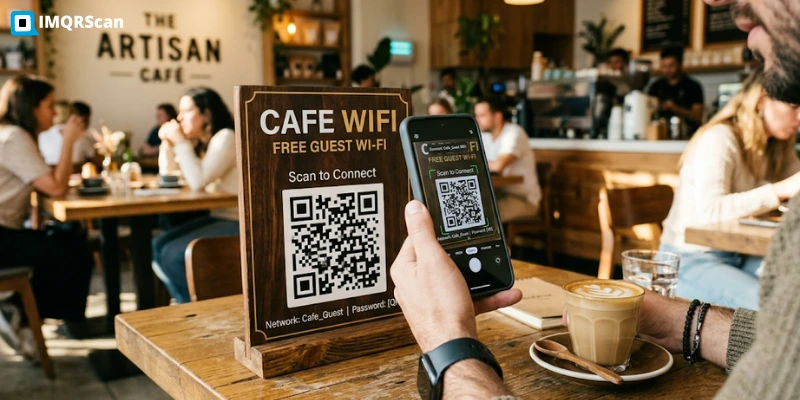
1. Wi-Fi Access Sign (Cafe, Hotel, Home)
A printed QR code on a table tent or wall sign encodes the network name and password. Guests scan and join without typing a single character. Starbucks, Hilton, and millions of local cafes rely on this exact setup.
- Links to: Wi-Fi credentials encoded directly (SSID + password)
- Why permanent works: network details rarely change; the code works offline
- Recommended type: Wi-Fi QR code
2. vCard Business Card
A QR code printed on a business card encodes your name, phone, email, company, and website as a vCard. Scanning saves the contact directly to the phone's address book — no typing, no copy-paste.
- Links to: vCard contact file encoded in the pattern
- Why permanent works: contact info is stable; reprinting cards is cheap when it changes
- Recommended type: vCard Plus QR code
3. Museum Exhibit Plaque
The British Museum, the Smithsonian, and most modern galleries print small QR codes next to exhibits linking to longer descriptions, audio guides, or artist bios. The code on a permanent collection piece can sit unchanged for 10+ years.
- Links to: permanent exhibit detail page on the museum website
- Why permanent works: historical artifacts do not change; reprinting plaques is expensive
- Recommended type: URL QR code
4. Memorial & Headstone QR Code
Cemeteries across North America and Europe now etch QR codes onto granite headstones. Scanning links to a tribute page with the deceased's life story, photos, and family messages. This is one of the longest-lasting permanent QR use cases — designed to survive for generations.
- Links to: memorial tribute page (ensure permanent hosting)
- Why permanent works: the code must outlive subscription services
- Recommended type: URL QR code pointing to a self-hosted page
5. Product Packaging Manual
IKEA, Philips, and Samsung print QR codes on packaging linking to assembly instructions, setup videos, and warranty registration. Once the product is in the box, the link is set.
- Links to: PDF manual or setup video
- Why permanent works: one print run ships millions of codes; consistency matters
- Recommended type: File QR code or URL QR code
6. Wedding Invitation QR
Couples add a QR code to wedding invitations linking to RSVP forms, venue maps, gift registries, or wedding websites. Paper invites go out once — the link stays the same through the whole event.
- Links to: wedding website or RSVP page
- Why permanent works: one-time print, known event timeline
- Recommended type: URL QR code
7. Book Inside-Cover Author Link
Self-published authors and traditional publishers print QR codes on the inside cover or last page linking to the author's website, newsletter, or related titles. Once a book is printed, the QR code is permanent by necessity.
- Links to: author website, Goodreads page, or newsletter signup
- Why permanent works: books are not reprinted for minor link changes
- Recommended type: URL QR code
8. Restaurant Wi-Fi Table Tent
Separate from the main Wi-Fi sign, many restaurants print a small QR code on each table tent for guests to connect without asking staff. Same network, printed dozens of times — static keeps it simple.
- Links to: Wi-Fi SSID + password encoded directly
- Why permanent works: easy to batch print, same code on every table
- Recommended type: Wi-Fi QR code
9. Real Estate "For Sale" Sign
Realtors add QR codes to yard signs linking to the listing page. For permanent use (like agency branding or office contact info), a static QR works. For specific listings that sell and get replaced, a dynamic QR code is actually the better choice.
- Links to: agency website or agent vCard (for permanent use)
- Why permanent works: agency info is stable across listings
- Recommended type: vCard QR or URL QR
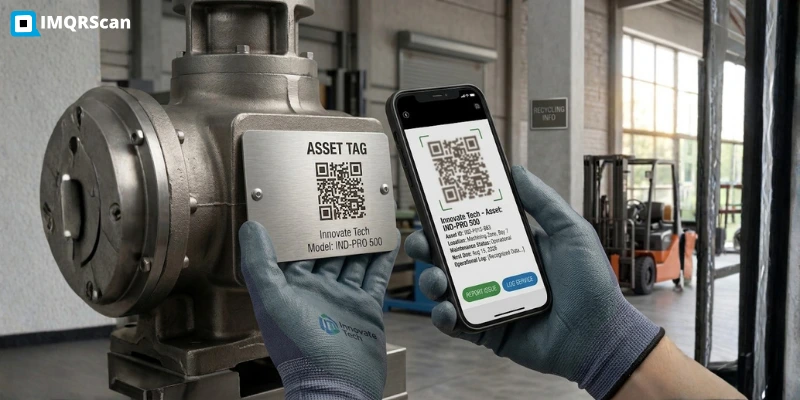
10. Construction Equipment Tag
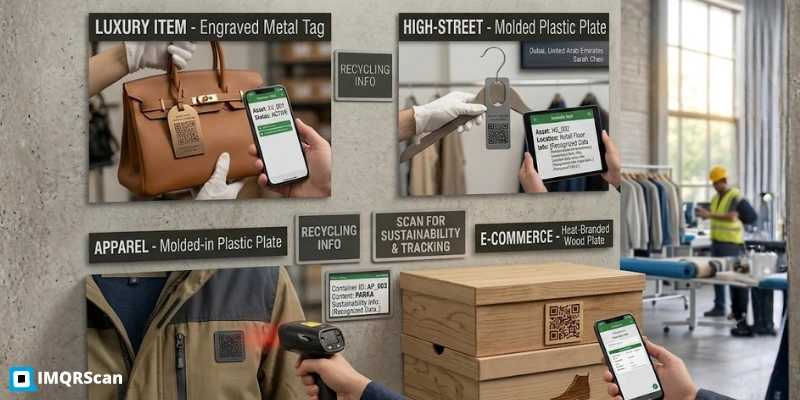
Contractors attach weatherproof QR labels to generators, scaffolding, and power tools. Scanning opens the maintenance manual, inspection log, or safety guide. Labels stay on equipment for the full service life — 10+ years is typical.
- Links to: permanent manual PDF or safety sheet
- Why permanent works: equipment specs do not change; labels weather-proof
- Recommended type: File QR code
11. Art Gallery Audio Guide
Contemporary art galleries print QR codes next to each piece linking to an artist interview, recorded commentary, or origin story. For permanent collection pieces, the code stays unchanged for the life of the gallery.
- Links to: audio file or artist page
- Why permanent works: permanent collection = permanent content
- Recommended type: URL QR code
12. Food Packaging Allergen Info
EU food labeling rules (and increasingly US FDA guidance) encourage QR codes linking to full allergen and nutrition data. On the printed package, the code is permanent — one printing run may ship for 12–18 months.
- Links to: nutrition/allergen detail page
- Why permanent works: long print cycles, stable ingredient lists
- Recommended type: URL QR code
13. Church Bulletin Bible Link
Churches add QR codes to weekly bulletins linking to Bible passages, sermon notes, or giving pages. A static QR on the church's permanent info panel (staff contacts, service times) stays valid for years.
- Links to: Bible passage, sermon archive, or giving page
- Why permanent works: permanent info panels; annual reprints at most
- Recommended type: URL QR code
14. Non-Profit Donation Page
Charities print QR codes on posters, brochures, and donation envelopes linking to a permanent giving page. Because the donation URL rarely changes, static QR codes save on dynamic subscription fees — a meaningful cost for non-profits.
- Links to: donation form URL
- Why permanent works: same URL used for years; no subscription burden
- Recommended type: URL QR code
15. University Campus Tour Points
Universities install weatherproof QR plaques at landmark buildings linking to history pages, student stories, or interactive maps. Installed once during campus signage upgrades, used for a decade.
- Links to: building info page or tour audio
- Why permanent works: buildings do not move; signage cycles are 10+ years
- Recommended type: URL QR code
16. Historical Landmark Information
National parks, heritage sites, and historical markers use QR codes on permanent outdoor signage. The National Park Service and UK's National Trust both deploy these at scale. Once installed, they stay for the sign's lifetime.
- Links to: landmark history page
- Why permanent works: history doesn't change; replacing signage is expensive
- Recommended type: URL QR code
17. Warehouse Inventory Tag
Amazon, Walmart, and most modern warehouses use QR codes as permanent asset IDs. Scanning reveals location, specifications, or inspection history. These codes stay on shelving units for the full 15–20 year asset life.
- Links to: asset ID or internal system URL
- Why permanent works: asset IDs are permanent by definition
- Recommended type: Plain text or URL QR code
18. Medical Device Manual
FDA-regulated medical devices increasingly ship with permanent QR codes for user manuals, calibration guides, and recall info. Because the device may be in service for 10–15 years, a static QR pointing to the manufacturer's long-term documentation URL is the safest approach.
- Links to: manufacturer manual page or PDF
- Why permanent works: regulatory and long device service life
- Recommended type: File QR code
19. Wine Bottle Tasting Notes
Wineries print QR codes on back labels linking to tasting notes, vineyard photos, and food pairings. Once a vintage is bottled, the information is fixed for that year — perfect for static codes.
- Links to: vintage-specific tasting notes page
- Why permanent works: one vintage, one link, fixed forever
- Recommended type: URL QR code
20. Garden Plant Identification
Botanical gardens and nurseries attach weatherproof QR tags to plants linking to species info, care instructions, and photos across seasons. Species info doesn't change, so the tag is permanent.
- Links to: species info page
- Why permanent works: plant biology = stable information
- Recommended type: URL QR code
21. Hiking Trail Marker
Park services install QR-coded trail markers linking to topographic maps, wildlife info, or emergency contacts. Installed into rock or post-mounted, they're built to last decades.
- Links to: trail map or emergency contact page
- Why permanent works: trails and wildlife info are stable
- Recommended type: URL QR code
22. Fitness Equipment Instructions
Planet Fitness, Anytime Fitness, and hotel gyms stick QR codes on treadmills and weight machines linking to proper-form video guides. Equipment stays in service for 10+ years, so static codes are the economical choice.
- Links to: exercise tutorial video
- Why permanent works: equipment lifetime matches code lifetime
- Recommended type: URL QR code
23. Elevator Maintenance Log
Service companies install permanent QR labels inside elevators, escalators, and HVAC systems for technicians to access service history, compliance certificates, and parts diagrams. Labels last the full service contract.
- Links to: equipment ID / service portal URL
- Why permanent works: asset IDs are permanent; compliance requires consistency
- Recommended type: URL QR code
24. Utility Meter Reading
Water, gas, and electric utilities place permanent QR codes on meter boxes linking to reading portals or service request forms. Given that meter installations last 20–30 years, static codes are the only practical option.
- Links to: self-service portal or account page
- Why permanent works: 20+ year meter lifespan
- Recommended type: URL QR code
25. Tombstone Legacy Story
Related to the memorial headstone example but deeper in scope: full "legacy QR codes" that encode an entire life story, complete with photos, audio recordings of the deceased, and family tree links. Companies like Interactive Headstones and Living Memories offer this service. The code must work for generations — static is the only realistic choice.
- Links to: self-hosted legacy page (critical — avoid SaaS dependency)
- Why permanent works: the code must outlive any service provider
- Recommended type: URL QR code pointing to a personal domain
Permanent QR Code Examples by Industry
The same 25 examples clustered by who uses them most:
| Industry | Most common permanent QR use | Examples from this list |
|---|---|---|
| Hospitality | Wi-Fi access, room info, table tents | #1, #8 |
| Retail & CPG | Packaging manuals, allergen info, wine notes | #5, #12, #19 |
| Healthcare | Device manuals, compliance documents | #18 |
| Education | Campus tours, book links | #7, #15 |
| Manufacturing & logistics | Asset tags, maintenance logs, equipment IDs | #10, #17, #22, #23 |
| Real estate | Agent cards, agency branding | #9 |
| Arts & culture | Museum plaques, gallery guides, landmarks | #3, #11, #16 |
| Personal & legacy | Business cards, weddings, memorials | #2, #4, #6, #25 |
| Public sector & outdoor | Park signs, trails, utility meters | #20, #21, #24 |
| Religious & non-profit | Bulletins, donation pages | #13, #14 |
"Permanent" vs "Lifetime" vs Dynamic: An Honest Comparison
QR code providers use the word "permanent" loosely. There is only one type that is truly permanent without any catch.
| What providers call "permanent" | What it actually is | Truly permanent? |
|---|---|---|
| Static QR code (data encoded in pattern) | No server, no expiry, works offline | Yes, forever |
| Dynamic QR code with a "lifetime plan" | Works only while the provider stays in business | Only if the provider survives |
| Dynamic QR code with monthly subscription | Works only while you keep paying | No — breaks if you stop paying |
How to Create Your Own Permanent QR Code (in 2 Minutes)
Creating a permanent QR code on IMQRScan is a six-step process:
- Open the IMQRScan static QR code generator
- Choose your content type (URL, Wi-Fi, vCard, text, email, phone)
- Enter the data you want to encode
- Customize colors, rounded corners, and a center logo (optional)
- Click Generate
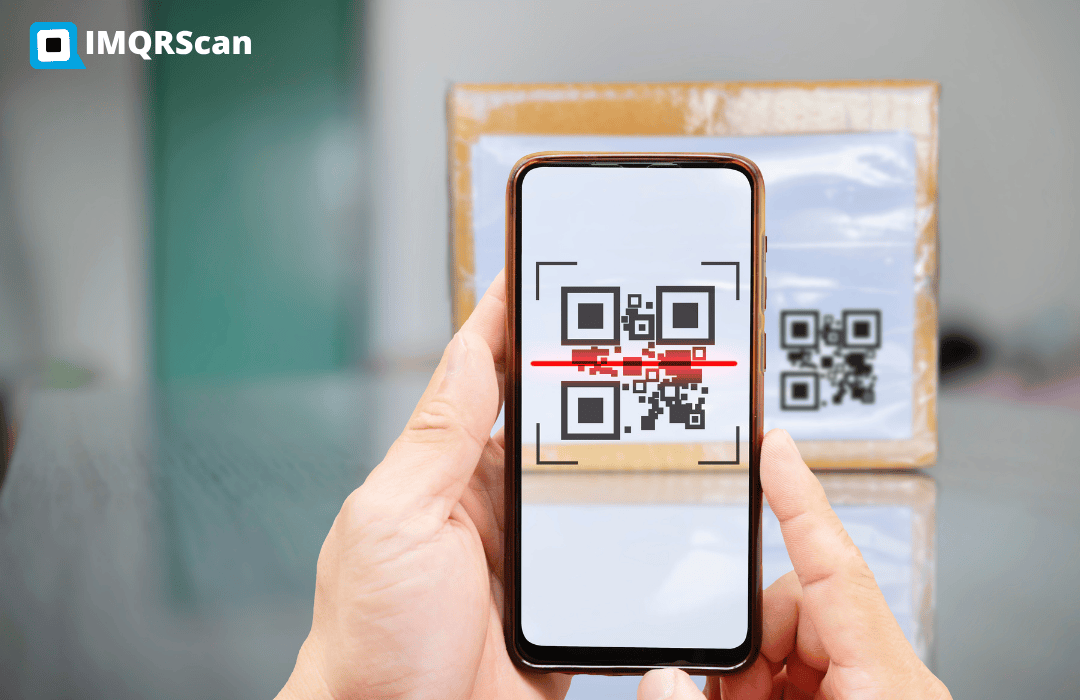
- Download in PNG, SVG, or PDF and test with two different phones before printing
5 Best Practices for Permanent QR Codes
- Point to a domain you own. If the code links to a URL, use your own domain — never a short URL provider that might disappear.
- Download in SVG or PDF. Vector formats scale from business-card size to billboard without pixelating.
- Respect the quiet zone. Leave a blank border of at least 4 modules (~10% of the QR width) on all sides.
- Size for scan distance. Use roughly 1/10th of the expected scanning distance as your QR side length.
- Test on iOS and Android. Scan with at least two different phones and a dedicated reader app before sending anything to print.
Final Answer: Which Permanent QR Code Example Fits You?
If your information is fixed and you simply need it to work forever — business card, Wi-Fi, memorial, packaging — a static QR code is the right answer. Pick the closest example above, choose the matching generator, and you'll have a working code in under two minutes.
Ready to Create Your Permanent QR Code?
Pick the generator that matches your example and get a free, forever-permanent QR code in minutes.
Permanent QR Code Examples: FAQs
Direct answers to the most common questions about permanent QR codes and their real-world examples.
Create a Permanent QR Code
Pick the generator that matches your example — all static codes on IMQRScan are free and never expire.
Need to edit or track scans later? Try the Dynamic QR Code Generator. Not sure which type you need? Read Static vs Dynamic QR Code.